

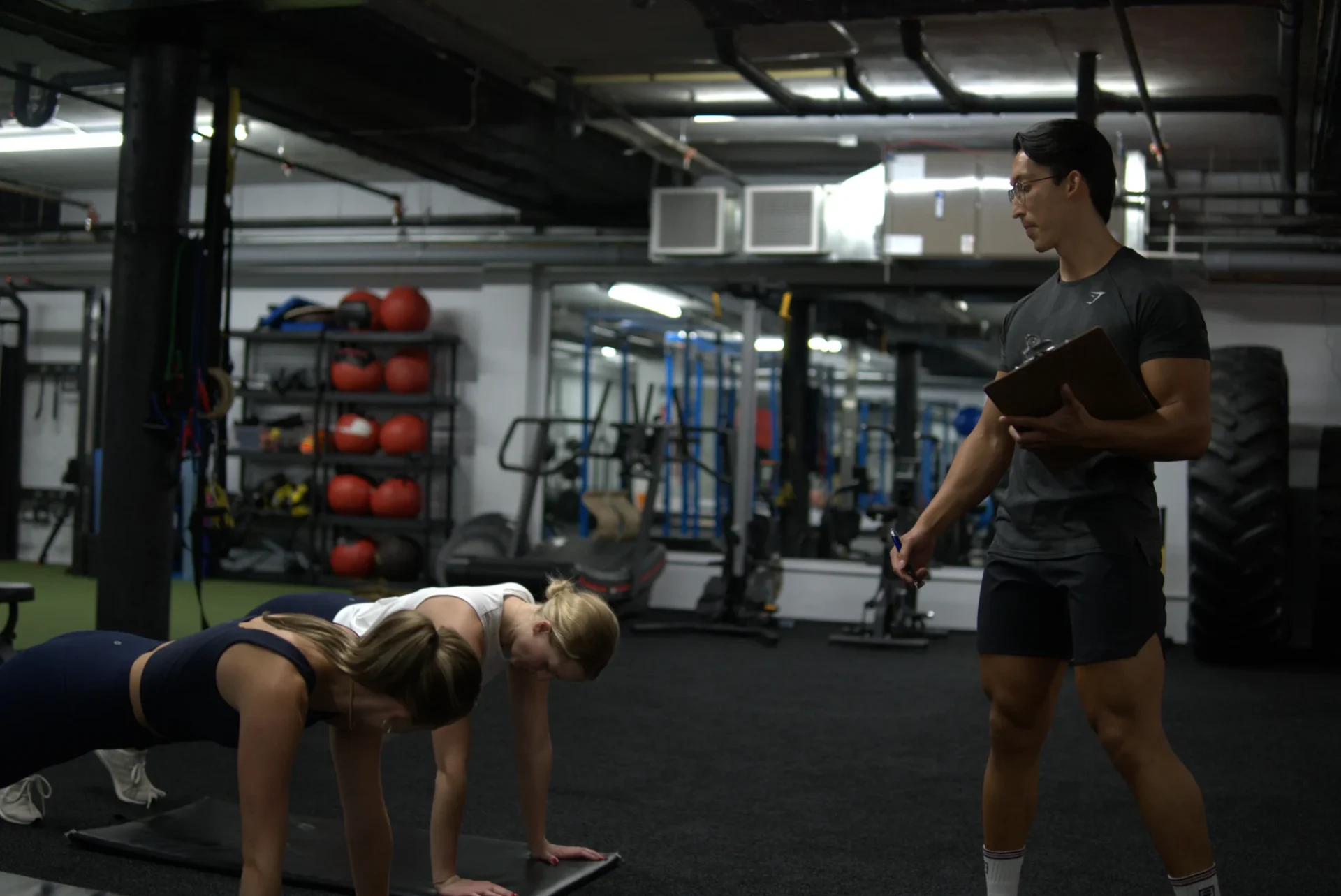
Injuries don’t have to end your training progress. The instinct to stop all activity when something hurts seems logical, but complete rest often leads to detraining, lost strength, and unnecessarily prolonged recovery. Personal trainers use strategic exercise modifications to help you continue training while respecting all injury-related boundaries. This approach maintains strength in uninjured areas, preserves mental momentum, and often speeds recovery by promoting blood flow and maintaining movement patterns.
The modification process requires understanding injury mechanisms, identifying which movements stress damaged structures, and selecting alternative exercises that achieve similar training goals without aggravating the problem. Professional trainers combine knowledge of anatomy, biomechanics, and exercise selection to create programs that work around limitations rather than surrendering to them.
Learning how trainers approach injury modification reveals why working with an expert produces better outcomes than either pushing through pain or abandoning training entirely.
Key Insights:
- Trainers modify exercises by adjusting the range of motion, changing body positions, altering loading patterns, or substituting different movements that avoid painful areas.
- Strategic training around injuries maintains strength and fitness in uninjured regions while allowing damaged tissues to heal without complete inactivity.
- Proper modification requires understanding which specific movements or positions aggravate injuries, so alternative exercises can safely accomplish training goals.
Understanding Injury Modification Principles
Training modification begins by identifying which movements or positions cause pain. A shoulder injury might hurt during overhead pressing but feel fine during horizontal pressing. Understanding this distinction allows trainers to eliminate problematic movements while maintaining similar training stimulus.
The goal isn’t working through pain. Pain signals tissue stress that can worsen injury. Smart modification finds the edge where you challenge muscles without stressing damaged structures. Modifications maintain fitness in uninjured areas, preserve movement patterns, and keep you mentally engaged rather than feeling sidelined.
Understanding when to step back from training to avoid overtraining, which can cause injury, is especially important. Your trainer will integrate scheduled rest days to give your muscles the time they need to recover and strengthen, preventing overtraining and injury.
Assessment During Injury
How personal trainers assess your fitness level becomes even more critical during injury. Your trainer tests movements methodically to identify pain triggers. Where does pain start? Does it hurt at certain angles but not others? These details guide modification decisions.
Your trainer also evaluates compensation patterns. When something hurts, your body unconsciously shifts movement to avoid pain. Identifying and correcting these compensations prevents secondary issues. Strength testing reveals whether the injury has caused weakness that requires specific attention during recovery.
Modifying Range of Motion
Many injuries hurt only through specific ranges. Shoulder impingement might cause pain above 90 degrees, but feel fine below that height. Range modification keeps training within pain-free zones while maintaining strength.
Partial range exercises work safe zones. Someone with knee pain during deep squats might perform box squats to a higher target. As healing progresses, the box height gradually lowers. This preserves neuromuscular patterns and prevents complete detraining while respecting tissue healing timelines.
Changing Loading Patterns
Sometimes the load direction causes problems rather than the movement itself. Axial loading might aggravate a back injury, but horizontal loading feels fine. Someone with lower back pain from squats might tolerate belt squats or leg presses where the weight load doesn’t compress the spine.
Changing resistance type offers another option. Free weights requiring stabilization might hurt when machines with fixed paths feel manageable. Bands provide accommodating resistance that stresses tissues differently. Unilateral training versus bilateral loading affects some injuries differently, allowing productive work despite limitations.
Exercise Substitution Strategies
When no modification makes an exercise tolerable, complete substitution becomes necessary. The goal is to find replacement exercises that train similar muscle groups without aggravating the injury.
Shoulder injuries often require pressing substitutions. If overhead pressing hurts, incline pressing at lower angles might work. Lower body substitutions address various injury types. Hip problems might eliminate squatting but allow hip thrusts and deadlift variations. Physical therapists often use similar substitution strategies during rehabilitation. The substitution doesn’t perfectly replicate the original exercise, but maintains general strength while protecting healing tissues.
Maintaining Uninjured Areas
Typically, injury to one area doesn’t require ceasing all training. A shoulder injury shouldn’t prevent lower-body training. Maintaining strength in uninjured areas helps maintain overall fitness, making a return to full training faster.
This requires avoiding movements that indirectly stress the injured area. Someone with a shoulder injury might think leg training is safe, but back squats load the shoulders to hold the bar. Trainers identify these indirect stresses. Upper- and lower-body splits are valuable during injury phases, allowing continued training frequency while providing complete rest to injured areas.
Progressive Return to Full Training
As injuries heal, trainers gradually reintroduce previously problematic movements. The process begins with the least provocative variation. If shoulder pressing caused injury, the trainer may have their client start with light dumbbell presses at a reduced range of motion.
Progression happens slowly based on symptom response. If current training causes no pain, small increases in weight or range occur. Any pain requires backing off to the previous tolerable level. Exercise form and technique becomes critical during return phases. Your trainer closely monitors the quality of your movement and stops sets before fatigue compromises form and technique. This gradual approach prevents the setback cycle in which you push too hard and risk re-injuring the area.
When to Stop and Rest
Some situations do require stopping training despite potential modification options. Severe pain, worsening pain during sessions, or pain accompanied by swelling requires medical evaluation before proceeding with training.
Sharp, acute pain differs from dull muscle fatigue. This pain suggests tissue damage and requires rest. Neurological symptoms such as numbness or tingling warrant immediate cessation of training and medical evaluation. Your trainer should recognize when modifications aren’t enough and recommend medical consultation when injuries exceed the scope of training modifications.
Final Thoughts
Strategic training modification allows continued progress despite existing injuries. Understanding which movements or positions aggravate problems enables trainers to design programs to maintain fitness in uninjured areas while respecting healing requirements.
The approach requires honest communication about symptoms, systematic assessment to identify safe training options, and gradual progression as healing allows expanded movement tolerance. Smart modification prevents complete detraining, making the return to full training much harder once injuries heal.
Train Smart Through Setbacks
Don’t let injuries completely derail your fitness progress. Work with a personal trainer in Calgary at EverFlex Fitness who understands how to modify training around limitations while maintaining your strength and conditioning.
Our trainers assess your specific injury, identify movements you can perform safely, and create modified programs that keep you progressing in uninjured areas. We monitor your symptoms closely, adjust training based on your response, and guide your gradual return to full training as healing allows.
Schedule your consultation today and discover how professional guidance keeps you training productively through setbacks.
Frequently Asked Questions
Should I train through pain or stop completely when injured?
The type of pain matters. If you experience sharp, acute pain, cease that specific movement and consider scheduling a medical evaluation. Dull aches from muscle fatigue or soreness are typical but should be monitored. Your trainer will help you distinguish between productive discomfort and pain signaling an injury.
How long should I wait before returning to exercises that caused my injury?
This depends entirely on injury severity and healing progress. Minor strains may tolerate a return in 2 to 3 weeks with conservative progression. Significant injuries could require months. With your doctor’s go-ahead, your trainer monitors symptoms and guides the timing of your return based on pain-free performance during progressive challenges.
Can I still build muscle and strength while training around an injury?
Yes. Uninjured areas can be trained normally to proceed with building strength. Even injured areas can be trained to maintain or build strength through modified exercises that avoid painful movements. The key is finding effective alternatives that challenge muscles without stressing damaged tissues.