

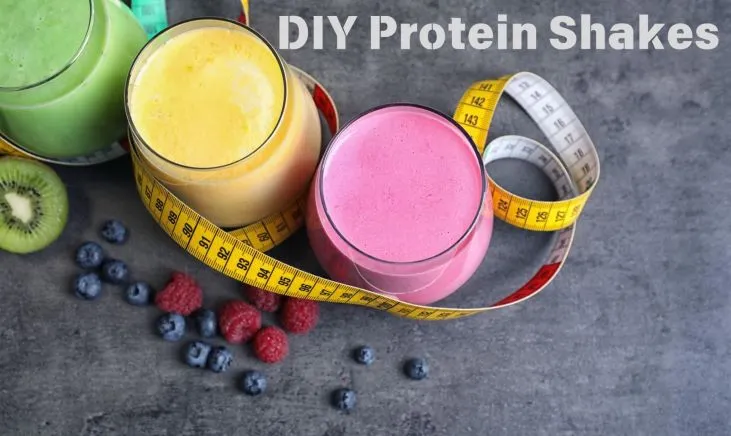

Introduction to Protein Shakes
What is a Protein Shake and Why Drink It?
Protein is an essential nutrient that we need to help grow, maintain immune health, and build muscle. The amount of protein you need will vary based on age, weight, health status, and goals.
A protein shake could be a delicious smoothie, powder mixed with water, or a bottled nutrition supplement. These beverages are all rich in protein, but their volume, protein concentration, and total nutrient composition varies between products and recipes.
You may choose protein shakes for a quick meal replacement or as a supplement to increase protein intake.
Supplementing with more protein can be helpful for:
- People who are sick or recovering from surgery and have higher protein needs
- Individuals who aren’t able to meet their nutritional needs through solid food
- Those who are looking to gain muscle mass in conjunction with resistance training

Nutrient Composition of Protein Shakes Made With Protein Powder
One way to make a protein shake is to buy a premade protein powder to add to smoothies or milkshakes, or to simply mix with water or milk. There are many different products on the market targeting different consumer types. This means that their nutrient profiles can vary greatly. However, in general, protein powders will contain:
- Protein
- Fat
- Carbohydrates
- Vitamins
- Minerals like calcium and iron
Benefits of DIY Protein Shakes

- Choosing your own ingredients and recipes allows you to customize your shake to your nutrition needs
- Using up pantry and fridge staples can help reduce food waste
- Protein powders can be expensive, so finding cheaper alternatives can help with your food budget
- Having a few recipes in your back pocket can be convenient for days where you don’t have your favorite product available
- Making a protein smoothie at home can be more nutritious when you add foods rich in vitamins and fiber like fruits, nuts, and seeds
- If you get bored of the same flavor everyday, a homemade protein shake allows you to incorporate more variety into your routine
- Using whole food ingredients rather than processed compounds can be healthier and safer. Not all sports supplements are regulated to the same degree of safety.
High-Protein Ingredients for DIY Protein Shakes
The first step in making your own protein shake is of course choosing your protein source. These are all relatively mild in flavor and, when blended with other ingredients, will take on a delicious taste.
You can choose more than one of the following options for a bigger protein boost.

Animal Protein Options
These foods come from animal sources.
| Food | Grams (g) of Protein |
|---|---|
| Plain Greek Yogurt | 16 g in ¾ cup |
| Cottage Cheese | 12 g in ½ cup |
| Ricotta Cheese | 10 g in ½ cup |
| Milk Powder | 9 g in 3 tbsp |
| Milk | 8 g in 1 cup |
| Scrambled Egg or Pasteurized Eggs | 6 g in 1 egg |
Plant Protein Options
These protein foods are vegetarian and vegan. They also have fiber and other nutrients.

Customizing Your Protein Shake
Just like not all protein powders are made the same, not all homemade shakes will be the same either. Depending on the ingredients and protein sources you choose, you can have a drink that’s also high in antioxidants, fiber, carbs, or fat.
How to Choose the Right Ingredients for Your Protein Shake Needs
Talking to a health professional like a registered dietitian can help you to understand which nutrients you may need to emphasize and add to your day to meet your health and nutrition needs.
You can also start keeping track of your daily intake and reflecting on whether you’re lacking in any categories. For example, do you need to add more fruits or fiber? Or are you wanting to prioritize plant proteins or foods with calcium? Use this information to curate your ideal homemade protein shakes.

Want More Carbs?
Foods with carbohydrates give us energy. This is important for high intensity activities like running. Increase the carbs in your protein shake by adding:
- Rolled oats
- Bananas
- Honey
- Cooked sweet potato
- Cooked quinoa

Want More Calories?
Some days it can be hard to meet our calorie needs. Whether you’re trying to gain weight or get some quick nutrition, bulking up the calories in your shake can help. Increase the calories and healthy fats in your protein shake by adding:
- Avocado
- Nut butter
- Whole dairy milk
- Full-fat coconut milk
- Coconut oil

Want to Add More Fibre?
Fiber is very important for keeping our digestive system regular. It also helps to prevent and manage chronic diseases like diabetes and heart disease. Many protein powder blends are low in fiber, so this is a great nutrient to add to your homemade protein shake by trying:
- Ground flax seeds
- Dates
- Chia seeds
- Raspberries
- Pear

Want to Boost your Antioxidants, Vitamins, or Minerals?
Choosing a variety of whole foods ensures that you are getting a variety of important nutrients to maintain health and help with muscle recovery. Try adding:
- Milk, yogurt, or silken tofu for extra calcium
- Beans, lentils, or leafy greens for more iron
- Fortified milk or soy milk and eggs for vitamin D
- Oranges and strawberries for extra vitamin C and antioxidants
- Peas and nut butter for a variety of B vitamins

Want to Change the Flavor?
Making the same recipe everyday can get old fast. But don’t worry, you don’t need a huge variety of ingredients to switch up the flavor of your base protein shake. Try using:
- Vanilla, almond, or peppermint extract
- Cinnamon, cardamom, or turmeric
- Cocoa powder, maca powder, or acai powder
- Jams or jellies
- Lemon or lime juice
- Maple syrup

Practical Tips From a Dietitian for a Healthy Protein Shake
As a dietitian, I spend my days working with people to make healthy eating easier. If you only read one thing in this article, read these tips!
- Always check the nutrition label of your milk to see how much protein is in it.
- Ultra-filtered cow’s milk products can have double the protein compared to regular cow’s milk
- Many plant-based beverage milk alternatives do not have a significant amount of protein, such as coconut, oat, or almond milk. Choose soy milk or other plant beverages that have added protein for your shakes.
- You can use skim milk powder similarly to protein powder. Add it to your shakes to add protein without extra liquid!
- Be aware that different types of tofu have different amounts of protein. Usually extra firm tofu has the most protein, and soft has the least. Silken tofu also has a very mild flavor, so it can easily be added to any protein shake recipe without changing the taste.
- Try using powdered peanut butter instead of regular peanut butter. It’s less messy, and you can add it to your dry ingredients to make prep easier.
Troubleshooting Common Issues
Making a homemade protein shake will require more work and thought compared to simply shaking a powder with water. But don’t worry, with practice and repetition you’ll get the hang of it.
A man operating a kitchen mixer while preparing ingredients
- If you plan to be making shakes regularly, you may want to invest in a high-speed blender. This will allow you to try out more ingredients without compromising on texture or consistency.
- Try using flavor profiles you’re familiar with to start. For example: chocolate peanut butter or apple cinnamon. Once you get the basics down you can experiment with more adventurous flavors.
Here are some tips to help with common protein shake issues.
If Your Shake is Too Thick
- Add more liquid: milk, water, juice, coconut water
- Use a mix of fresh and frozen fruit or vegetables rather than only frozen
- Try some higher water content ingredients: soft silken tofu, watermelon, cucumbers, or cottage cheese

If Your Shake is Too Thin
- Use less liquid
- Use a mix of fresh and frozen fruit or vegetables rather than only fresh
- Try some thickening ingredients: oats, nut butter, ground flax
If Your Shake is Clumpy
- Use ingredients that are smooth when blended to get a more creamy texture: frozen banana, avocados, creamy peanut butter
- Upgrade your blender to blend at higher speeds
- Blend sticky or clumpy ingredients like dates with water first to make a paste before adding other ingredients
Easy DIY Protein Shake Recipes

Fool-Proof Chocolate
- 1 frozen banana
- 2 tbsp chia seeds
- 1 tsp vanilla extract
- 1 tbsp cocoa powder
- 3 tbsp skim milk powder
- 1 cup of milk
This shake has 23 grams of protein.

Vegan Machine
- 1 cup of frozen peas
- ½ cup blueberries
- 3 tbsp hemp seeds
- 1 date
- 1 tsp maple syrup
- 1 cup of soy milk
This shake has 26 grams of protein.

Classic PB&J
- 1 cup of frozen mixed berries
- ¼ cup of natural peanut butter
- ¾ cup of plain greek yogurt
- 1 tbsp raspberry jam
- 1 cup of milk
This shake has 38 grams of protein.
Always stay creative with your recipes! If there’s an ingredient you don’t like, then replace it with something else. Modify the amount of liquid to your personal preference.
Prepping and Storing Your Homemade Protein Shake
One way to make homemade protein smoothies easier and quicker is to prep ahead of time. Keeping a homemade shake in the fridge won’t keep as well as the store-bought bottled drinks, but that doesn’t mean that you can’t make a homemade protein shake more convenient.

Preparation Tips for On-The-Go Shakes
- Pre-portion all of your frozen ingredients in airtight bags. For example, store ½ a sliced banana, 1 cup of kale, and ½ cup of strawberries in the same bag to easily add to the blender
- If you have fruit or vegetables in your fridge that are about to go bad, wash, peel, and cut them. Store these in airtight bags in the freezer. For example, before your bananas go brown, peel and cut them into chunks and freeze in a sealed bag.
- Pre portion any dry ingredients you’ll be using in airtight containers or bags. For example, ½ cup of rolled oats, 1 teaspoon of cinnamon, and 2 tbsp of flax seeds to quickly add to the blender.

Food Safe Storage of Protein Shakes
- Many of the high-protein ingredients we mentioned are perishable. Be sure to store foods like milk, yogurt, and cottage cheese in the fridge and pay attention to their expiration or best before date.
- If you are freezing your own fruits or vegetables, check if any vegetables need to be blanched before freezing and use a marker to write the date that you froze them on the bag. Most will keep in the freezer for 12 months if stored properly
- If you want to store your pre-made protein shake in the fridge for the next morning, make sure it’s in an airtight container
Conclusion
The bottom line is, you do not need to buy an expensive protein powder full of extra ingredients and preservatives to make a nutritious and delicious protein shake and meet your protein goals.
Incorporate whole foods that you already have like yogurt, tofu, and nut butter with fruits, vegetables, and milk to make a well-balanced and nutritious homemade protein shake without protein powder.