


In health and nutrition, cysteine is a semi-essential amino acid, pivotal for building proteins and supporting antioxidant defenses in our body. It is included in the recommended dietary allowance (RDA) for amino acids. This guide takes you through the top 10 foods highest in cysteine, including unexpected sources like oatmeal, to help you enhance your diet with cystine-rich foods.
Whether aiming to boost your health and improve fitness or simply seeking nutritious dietary options, understanding and incorporating cysteine-rich foods is a step toward optimal wellness.
What is Cysteine?
Cysteine is a non-essential amino acid, meaning your body can make it from serine and homocysteine, and it does not have to be consumed, unlike the essential amino acid cysteine, which sometimes requires dietary attention. However, because we don’t need to drink it, eating cysteine-rich foods or taking cysteine supplements can be helpful for various reasons.
Cysteine plays a vital role in making proteins and supporting other bodily functions. It’s a precursor to glutathione, one of the body’s most potent antioxidants, and its synthesis is enhanced by the sulfur compound cysteine. Glutathione is critical in protecting cells from oxidative stress and damage linked to various chronic diseases and aging processes.
Understanding L-Cysteine and N-Acetyl Cysteine
Within the broader category of cysteine, two significant forms are often discussed: L-cysteine and N-acetyl cysteine (NAC).
- L-cysteine is the natural form of this amino acid found in foods and produced by the body. It’s crucial for synthesizing proteins, detoxification, and various metabolic processes, including transforming non-essential amino acids into essential ones.
- N-acetyl cysteine is a modified form of cysteine with an acetyl group attached to it, enhancing its bioavailability. It is often used in cases of Tylenol overdose to prevent liver damage.
Health Benefits of Cysteine

The benefits of incorporating cysteine into your diet are multifaceted and significant. Here are some of the key advantages:
- Antioxidant Support: As a precursor to glutathione, cysteine plays a vital role in your body’s antioxidant defense system. This quality helps reduce oxidative stress, which is linked to various chronic diseases, including heart disease and cancer, by maintaining an optimal amino acid concentration in the body.
- Immune System Boost Through Dietary Supplements Containing Cysteine: Cysteine is essential for making glutathione, which is crucial for a robust immune system. A healthy level of cysteine can enhance your body’s ability to fight infections and recover from illnesses more quickly.
- Detoxification: Cysteine aids in detoxifying harmful substances in the body. It’s particularly effective in reducing the toxicity of drugs, environmental toxins, and heavy metals.
- Skin and Hair Health: Cysteine is a component of keratin, a protein that is vital for healthy skin, hair, and nails. Increasing cysteine intake can contribute to improved skin elasticity and hair strength.
- Respiratory Health: Cysteine can help thin mucus in your lungs, making it easier to expel and supporting respiratory health in conditions like acetaminophen overdose. This mainly benefits individuals with respiratory conditions like chronic bronchitis or COPD.
Learn more about the essential amino acids and their health benefits here.
Top 10 Foods Highest in Cysteine
Boosting your cysteine intake starts with knowing which foods are rich in this essential amino acid. Here’s a curated list of the top 10 foods that are not only foods high in cysteine but considered vital sulfur-containing amino acids that may also contribute to cystine intake, supporting body weight management and overall health compared to placebo.
Whey Protein
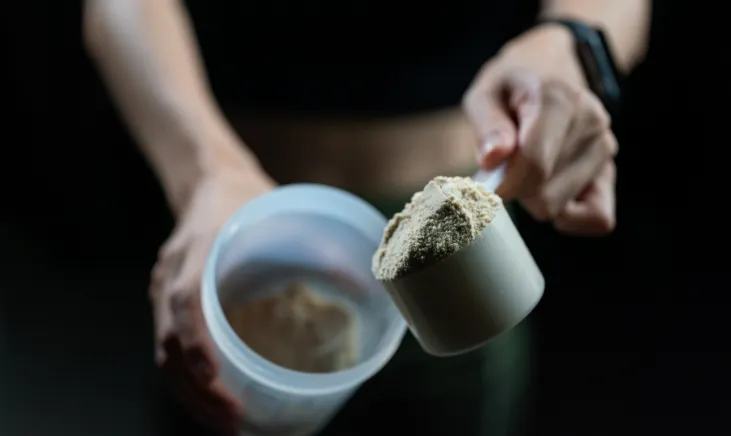
Whey protein is a standout source of cysteine, which boosts the body’s production of the antioxidant glutathione. It’s particularly beneficial for muscle repair and growth, making it a favorite among athletes, who might also benefit from supplements like n-acetylcysteine for recovery.
Poultry (Chicken and Turkey)
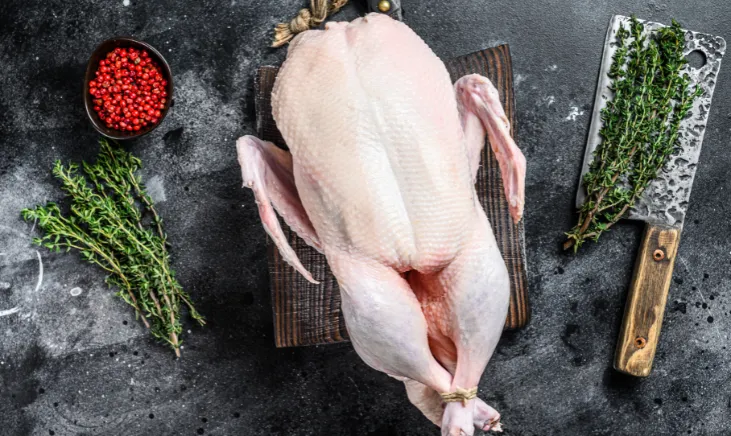
Poultry, such as chicken and turkey, is an excellent source of high-quality protein and cysteine. Regular consumption can contribute to muscle maintenance and overall health. The cysteine in poultry aids in antioxidant production and supports a healthy immune system.
Eggs
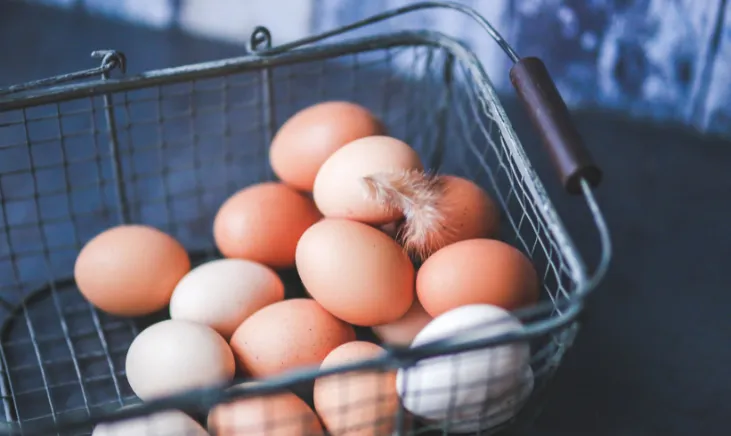
Eggs, especially the yolks, are rich in cysteine and other essential nutrients, making them a valuable dietary source of this amino acid. Due to their high keratin content, eggs play a critical role in maintaining hair and nail health.
Red Meat (Beef and Lamb)
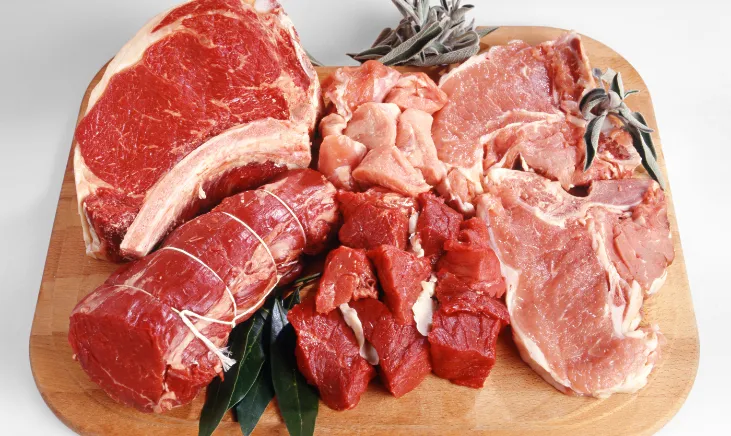
Red meats like beef and lamb are significant sources of cysteine and other essential amino acids. Still, their excessive consumption may cause health issues, such as increased risk for heart disease or respiratory distress. They contribute to muscle building and repair but should be consumed in moderation due to their saturated fat content.
Yogurt
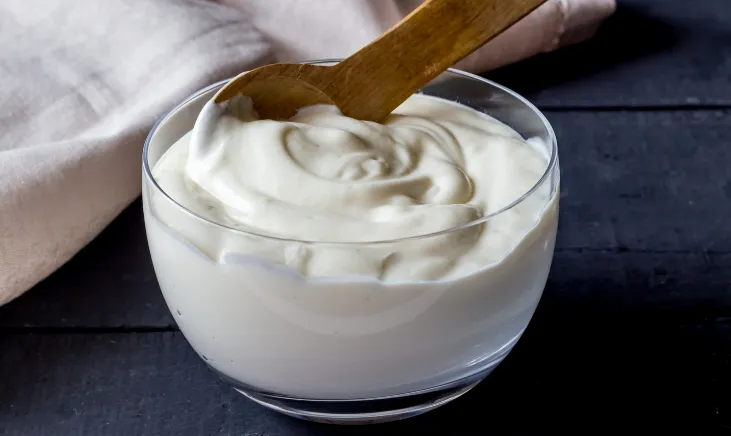
Yogurt is not only a delightful source of cysteine but also contains probiotics for gut health. Regular consumption of cysteine-rich foods can improve digestive health and boost immune function. The cysteine in yogurt also contributes to maintaining skin and hair health, comparable to other cysteine-rich foods.
Cottage Cheese
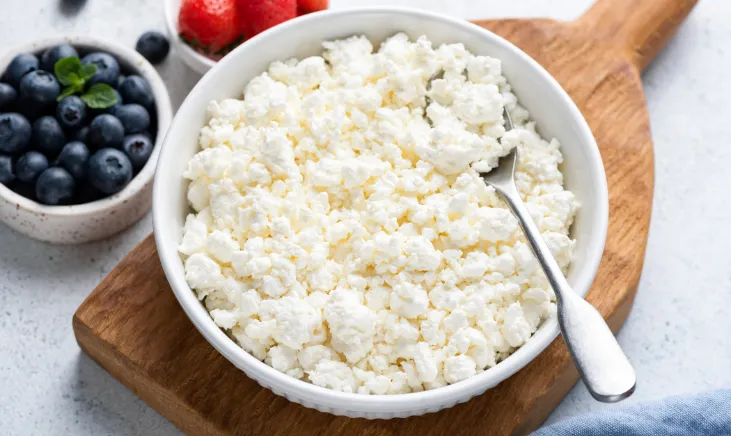
Cottage cheese is a versatile and rich source of cysteine. It can be easily incorporated into various meals, from breakfast to dinner. The high protein and cysteine content makes cottage cheese an excellent choice for muscle maintenance.
Oats
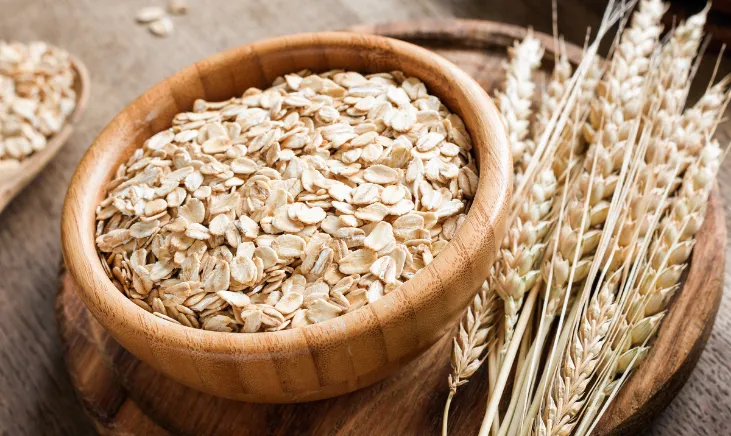
Oats are a heart-healthy option that also provides a decent amount of cysteine. Regular consumption of oats can help lower cholesterol levels and improve heart health. The cysteine in oats also contributes to maintaining hair, skin, and nail health.
Broccoli
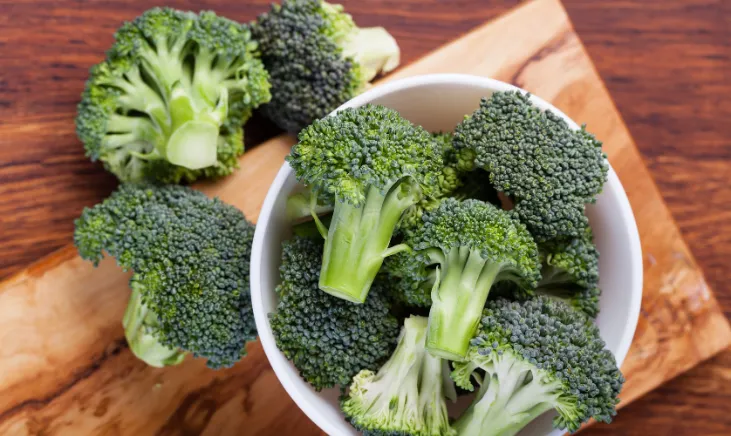
Broccoli, a powerhouse among vegetables, is rich in cysteine and packed with vitamins and minerals. It stands out as a sulfur-containing food source. Cysteine, which contributes to broccoli’s antioxidant properties, helps reduce the risk of chronic diseases and lower homocysteine levels.
Brussels Sprouts
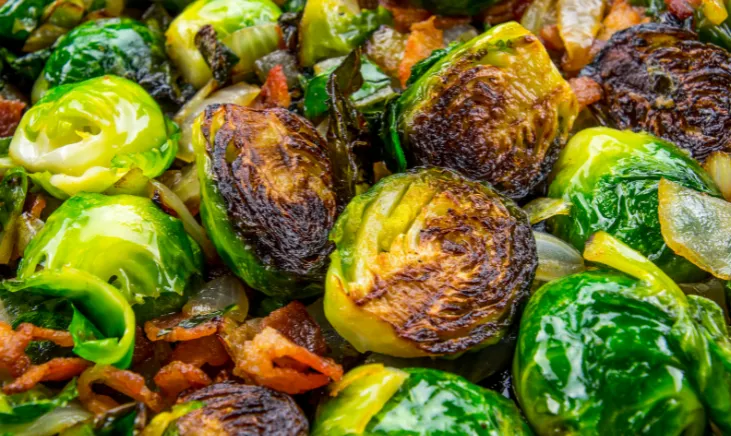
Brussels sprouts are another excellent plant-based source of cysteine. They contain antioxidants that help protect against cellular damage and support overall health.
Sunflower Seeds
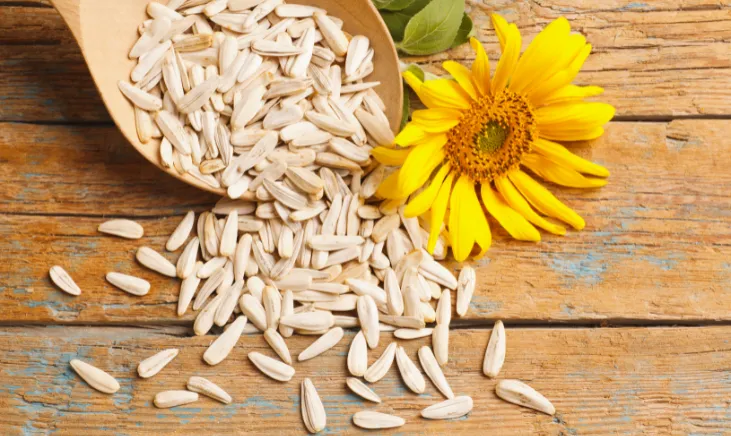
Sunflower seeds are a convenient and tasty source of cysteine, a key amino acid in the body’s concentration of sulfur-containing compounds. They are perfect for snacking or adding to salads and other dishes, contributing to your recommended daily allowance of essential nutrients.
Foods Low in Cysteine
Fruits, vegetables, grains, legumes, nuts, seeds, and tubers are generally low in cysteine. Despite this, they are essential to a healthy diet due to their abundance of vitamins, minerals, fiber, and other nutrients, including important amino acids like serine and glutamic acid.
Legumes like beans, lentils, and peas stand out for their impressive amino acid profile, which is particularly beneficial for vegetarians and vegans. While certain seeds contain notable cysteine levels, most nuts and seeds, like almonds and walnuts, have lower amounts.
Final Words
Adding a variety of fruits, vegetables, grains, legumes, nuts, seeds, and tubers to your diet is vital for overall health and ensuring you are getting enough essential nutrients like cysteine.
Incorporating these foods into your meals and snacks can contribute to meeting your recommended daily allowance of this crucial amino acid. So next time you plan a meal or reach for a snack, include the best nutri-cysteine-rich foods to fuel your body and promote optimal health with Everflex Fitness nutrition coaching.
Frequently Asked Questions
Which foods are high in cysteine?
Foods high in cysteine include poultry, eggs, red meat, dairy products (yogurt and cottage cheese), whole grains (oats), and certain vegetables (broccoli and Brussels sprouts). These foods offer a good balance of cystine and other nutrients.
What happens if you lack cysteine?
A cysteine deficiency can lead to weakened immune function, decreased antioxidant protection, and potential issues with hair, skin, and nail health, emphasizing the importance of meeting the recommended daily allowance for amino acids.
What happens when you have too much cysteine?
Due to its sulfur content, excessive cysteine may lead to the formation of kidney stones. It can also lead to adverse effects such as oxidative stress, an imbalance in amino acids, and potential toxicity.
Who should limit their cysteine?
Individuals with certain metabolic disorders or those at risk for kidney stones due to high sulfur intake from cysteine-rich foods may need to adjust their diets accordingly. Individuals with certain health conditions like cystinuria, a kidney condition where cysteine accumulates, should limit their cysteine intake.
Which foods have cysteine and methionine?
Meats, poultry, fish, eggs, dairy products, nuts, and seeds are among foods rich in cysteine, methionine, and glycine. These amino acids, such as cystine, serine, and glutamic acid, work together in various metabolic processes.
Which foods are high in n-acetyl cysteine?
N-acetyl cysteine (NAC) is not commonly found in foods but is taken as a dietary supplement, especially after an acetaminophen (Tylenol) overdose, which may cause liver damage. However, foods rich in cysteine, like poultry, yogurt, and eggs, can help increase NAC levels in the body, as NAC is derived from cysteine.
Can I get enough cysteine from a plant-based diet?
Yes, it’s possible to get enough cysteine from a plant-based diet. Foods like broccoli, Brussels sprouts, and oats are good sources. However, plant-based sources generally have lower cysteine content than animal-based foods, so diversity in food choices is key.