

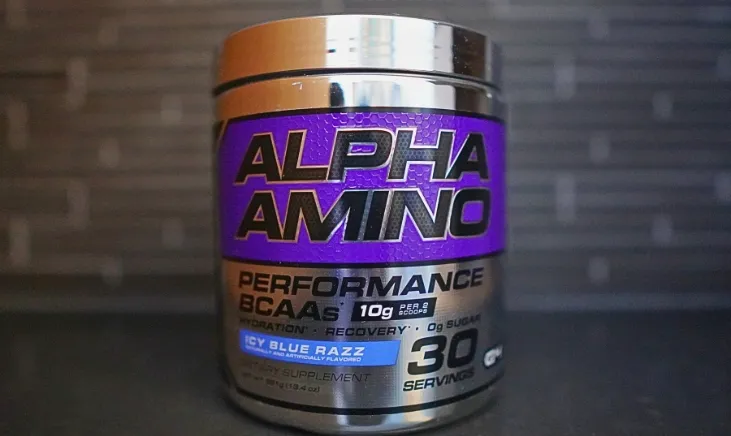
Overview Amino acids are constantly repairing and building proteins. To put it simply, when muscle damage occurs through exercise, proteins swoop in to repair and build back the muscle larger and stronger. There are 20 amino acids, and nine of those are essential amino acids (EAAs), meaning our bodies don’t...
- Posted in Amino Acids
Creatine, a widely popular supplement known for enhancing performance and muscle strength, has become a staple in the fitness world. But how long does it last, and what happens when it expires? In this article, we’ll delve into the expiration and shelf life of creatine, backed by scientific insights and...
- Posted in Creatine
Benefits of Boiled Eggs: A Quick Look Hard-boiled eggs contain protein, cholesterol and fats, vitamins A and D, choline, lutein, and zeaxanthin. These nutrients help with maintaining healthy eyes, brain, immune system, hair, bones, and muscles. Eggs are a low-cost, easily accessible, and versatile food. Eating boiled eggs can support...
- Posted in Amino Acids, Nutrition
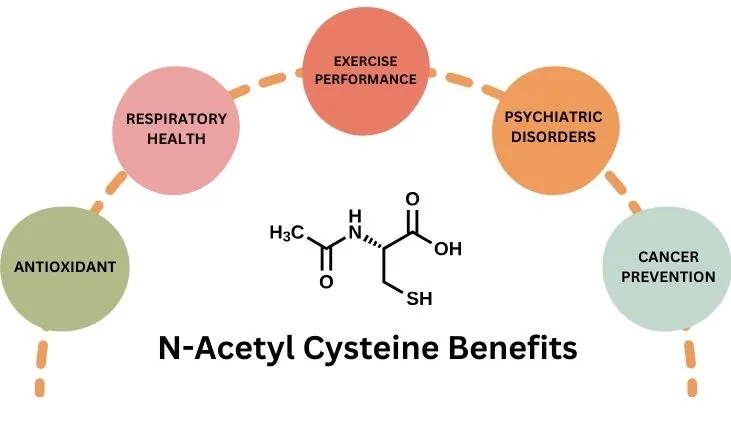
N-acetyl cysteine (NAC) is a synthetic acetylated variant and precursor to the non-essential amino acid L-cysteine. Its primary role is as an antioxidant and precursor to the antioxidant glutathione. Research suggests NAC supplementation could benefit exercise performance, lung diseases, psychiatric illnesses, neurodegenerative diseases, and more due to its potent antioxidant...
- Posted in Amino Acids, Cysteine
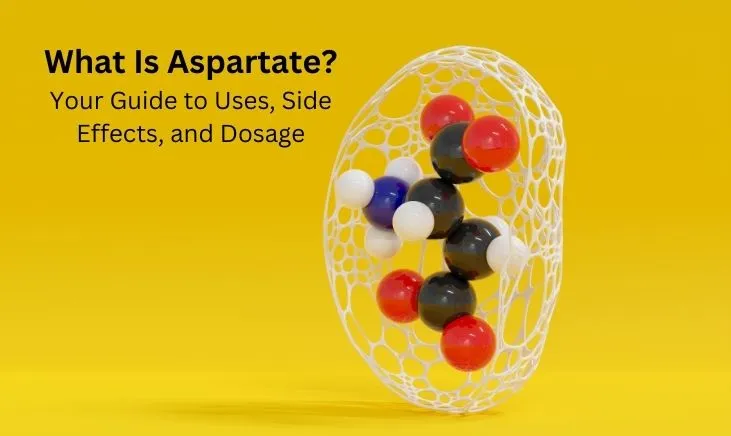
Aspartate or aspartic acid is a non-essential amino acid synthesized in the body from oxaloacetate and glutamate. Some rodent research has shown that D-aspartic acid (DAA) benefits nervous system activity, hormone synthesis and release, and male fertility, but human studies are limited. Quick Look Aspartate or aspartic acid is a...
- Posted in Amino Acids
The differences between glutamine vs glucosamine are profound, making the two supplements uniquely beneficial for one’s health. Each promotes separate health benefits and can promote faster recovery, reduce joint pain, and promote powerful athletic performances. Glutamine and glucosamine are two distinct organic compounds that, despite their similar names, serve different...
- Posted in Amino Acids, Glutamine
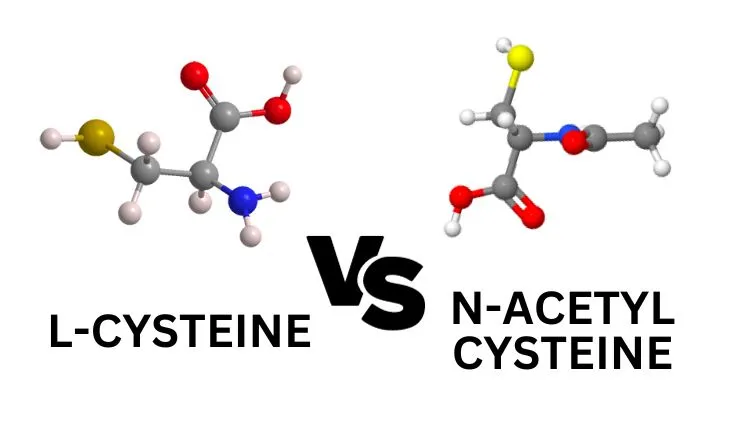
L-cysteine is a conditionally essential amino acid produced from serine and methionine, while N-acetyl cysteine (NAC) is the synthetic form of L-cysteine found in most supplements. Both offer benefits for antioxidant defenses, blood sugar regulation, male fertility, respiratory diseases, and cognitive health. Quick Look L-cysteine is a conditionally essential amino...
- Posted in Amino Acids, Cysteine
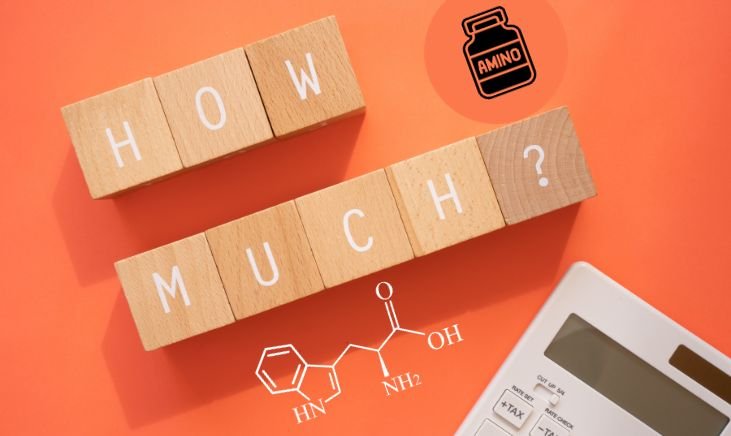
How much tryptophan should be taken depends on the intent behind taking the supplement, along with quite a few other factors, such as pre-existing medical conditions. Consulting with a medical professional is highly recommended before proceeding with taking tryptophan supplements. Quick Look: Tryptophan is an essential amino acid vital in...
- Posted in Amino Acids, Tryptophan
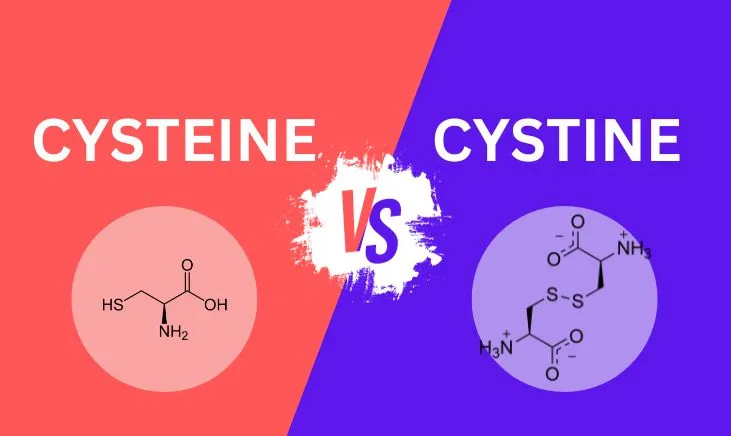
What’s the difference between cysteine vs cystine? Cysteine is a sulfur-containing proteinogenic amino acid that is conditionally essential. It is commonly found in dietary supplements with good bioavailability and has a role in hair growth. In contrast, cystine, composed of two cysteine molecules, has poor bioavailability, making it less ideal...
- Posted in Amino Acids, Cysteine
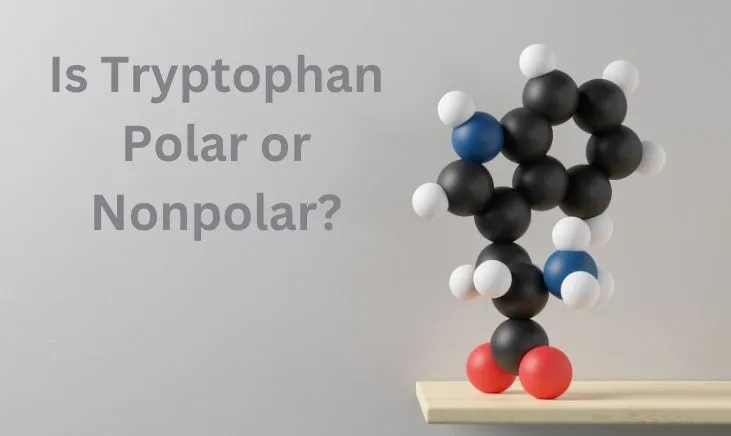
Tryptophan is an essential amino acid that cannot be synthesized in the body. It must come through supplements or diet. As a largely nonpolar amino acid, tryptophan has an aromatic side chain, showing its hydrophobic nature. Quick Look Tryptophan is an essential proteinogenic amino acid that regulates sleep, mood, and...
- Posted in Amino Acids, Tryptophan