

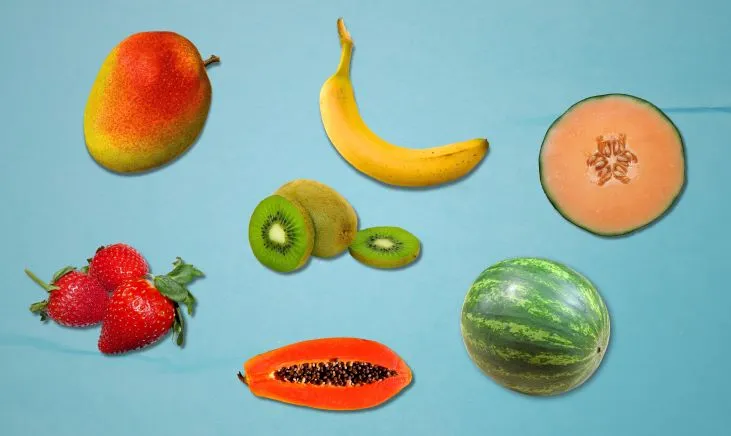
Electrolytes are vital minerals with electrical charges in our blood and body fluids. They are crucial for various bodily functions, such as maintaining fluid balance, muscle movement, nerve signaling, and energy generation.
Essential electrolytes include sodium, potassium, calcium, magnesium, chloride, phosphorus, and bicarbonate. Following intense physical activities, electrolyte tablets can help restore these minerals, but first, let’s explore what fruits to consume for electrolytes!
When Do You Need to Replenish Electrolyte Levels?
Electrolytes are replenished daily through food or sports electrolyte drinks. Options like tart cherry juice provide a delicious way to restore the balance of electrolytes lost in sweat. It is often enhanced with extra electrolytes, providing a quick beverage option to maintain balance.
Sweating, tears, urine, stool, and menstruation deplete electrolytes, but food and drinks rich in electrolytes can restore them. After exercise, replacing lost electrolytes like sodium, potassium, and magnesium is crucial to prevent cramping.
Adjusting electrolyte-rich food or drink intake depends on the person and activity type. Replenishing electrolytes, especially with drinks high in electrolytes, is crucial after intense physical activity.
More electrolytes are lost with intense and prolonged activity or in hot temperatures, dehydration, or certain health conditions. Electrolyte-infused beverages before, during, or after exercise are beneficial in decreasing the risk of concerns like cramping or dehydration.
Ways to Naturally Increase Your Electrolyte Intake
Fruits, vegetables, nuts, seeds, and other nutrient-dense foods contain electrolytes. Some foods have higher quantities of electrolytes than others. Choosing a variety of whole foods daily can help you meet your electrolyte needs naturally through summer foods that you may incorporate into your diet, which can be a healthy alternative to relying solely on sports drinks.
Fruit is more likely to be higher in potassium and magnesium than other electrolytes. Although this is an excellent source of electrolytes, it’s unlikely to meet the daily requirements through fruit alone. Most fruits are meager in sodium, but luckily, there’s no shortage of other options for meeting sodium needs.
Why Get Electrolytes from Fruit?
Fruits, with a 70-92% water content, provide hydration alongside naturally containing electrolytes. They are also rich in potassium and magnesium, which combat oxidative stress and free radicals. Some antioxidants found in fruits include vitamins C and E, beta carotene, flavonoids, lycopene, and anthocyanins. These antioxidants can enhance exercise performance and recovery.
Easily digestible and carb-rich, fruits fuel pre- and post-workout without weighing you down. Fruit juices offer electrolytes and carbs, though higher in calories and sugar; these drinks may be a good source of vitamin C. Choose between whole fruits and juices based on individual goals.
What Is The Essential Quantity Of Each Electrolyte Needed?
Individual needs vary based on lifestyle, age, sex, and health conditions. The following guidelines are from the Dietary Reference Intakes (DRIs), but always consult your doctor if you have a specific health condition requiring you to consume different quantities.
There are risks of consuming too few electrolytes and too much. Some electrolytes have more extensive ranges and margins of error for safe consumption than others.
Sodium
Sodium is a crucial electrolyte that helps maintain fluid balance and is found in many electrolyte-rich foods and drinks. For adults, the recommended daily allowance (RDA) for sodium is 1200-1500 mg, with an upper limit of 2300 mg. However, individual needs vary based on factors like climate and exercise. Athletes may require more to replace lost electrolytes during intense workouts.
Excessive sodium intake can lead to electrolyte imbalance, particularly for those with hypertension. Monitoring electrolyte intake, as electrolytes are minerals crucial for balance, is essential to maintain overall health.
Potassium
Potassium is an essential electrolyte for muscle function and nerve transmission. The recommended daily intake for males is 3400 mg, and for females, it is 320 mg. However, it is commonly under-consumed in the average diet.
Luckily, many fruits are a great source of potassium. Potassium can help improve blood pressure by helping to balance out sodium.
Magnesium
Most people have low magnesium intake, with the daily recommended intake for adults being 310-420 mg. Magnesium can be found in dark leafy greens, whole grains, and seeds.
Calcium
Daily calcium recommendations differ depending on the population. The recommended dietary allowance (RDA) for males aged 19-70 years and females aged 19-50 years is 1000 mg per day. Males 70 and older and females 51 years and older are recommended to consume 1200 mg daily.
Chloride
Recommendations for chloride range from 1800 to 2300 mg daily, underscoring its significance as an electrolyte the body needs. Because chloride is a component of table salt (sodium chloride), it’s uncommon for chloride intake to be low.
Phosphorus
Adults need around 580mg of phosphorus daily. Although fruit isn’t a significant source of phosphorus, it can be found in most dairy, grains, and protein-rich foods, which are naturally rich in electrolytes.
Best Fruits for Electrolytes
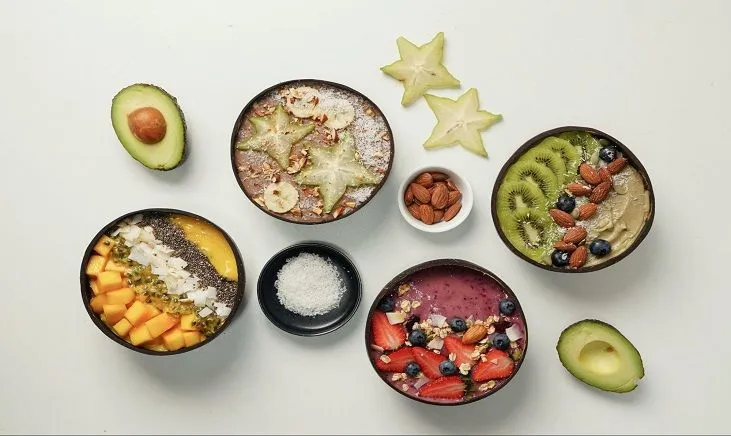
Fruits are a great source of electrolytes, and some of the naturally rich fruits include bananas, avocados, watermelons, oranges, kiwis, and cantaloupes. These fruits are rich in potassium, magnesium, calcium, and sodium, all crucial electrolytes that help keep our bodies functioning properly.
Incorporating these fruits into your diet can help you maintain optimal electrolyte levels and promote overall health and wellness.
Bananas
Bananas are a great source of potassium, which helps balance the body’s sodium levels and supports muscle contractions. They are a popular and convenient option for fueling or replenishing after exercise. They also provide easily digestible carbs, perfect for pre- or post-workout.
Avocados
Avocados are rich in magnesium, potassium, and healthy unsaturated fats. They don’t provide pre or post-workout carbs. Still, they can help replenish electrolyte balance after intense exercise, like how tart cherry juice aids muscle recovery and replenishes electrolytes lost in sweat.
Cantaloupe
Cantaloupe is an excellent source of potassium and beta-carotene. It’s also 90-95% water, which helps keep you hydrated. At only around 50 calories per cup, it’s a low-calorie way to get electrolytes, water, and other nutrients.
Oranges
Oranges are a source of potassium and one of the fruits with the highest calcium levels, which technically means they provide an excellent electrolyte profile. Orange juice, for example, has nearly 500 mg of potassium per cup.
Kiwi
Kiwis are high in potassium—a serving of two kiwis contains more potassium than a medium-sized banana, making them one of the best fruits with electrolytes. They are also an excellent source of vitamin C, even higher than oranges.
Watermelon
Watermelon is a refreshing and hydrating snack, low in calories but high in water, potassium, and electrolytes like potassium.
Strawberries
Strawberries are a favorite in-season summer food. They’re a great choice if you’re looking for a fruit lower in sugar and calories but a good potassium, fiber, and vitamin C source.
Mango
Mangoes are a sweet treat that provides potassium and other essential nutrients, like vitamin C.
Papaya
Papaya is a hydrating fruit with a texture similar to melons. It’s a good source of potassium, vitamin C, and a digestive enzyme called papain. Athletes may benefit from its natural electrolytes.
Dates
Dates are a good source of potassium and carbohydrates for energy during exercise. It is crucial to hydrate with water because they are low in water content. Although high in potassium, the serving size is typically small as they are higher in calories.
Apricots
Dried apricots are a concentrated source of potassium, a natural source of electrolytes, and a member of the everyday fruits that support a healthy diet. Remember to drink plenty of water since dried fruit lacks water.
Electrolyte Content of Fruit
| Fruit(per 100g) | Potassium(mg) | Magnesium(mg) | Sodium(mg) | Calcium(mg) | Phosphorus(mg) | Water(mg) |
|---|---|---|---|---|---|---|
| Banana | 358 | 27 | 1 | 5 | 22 | 75 mL |
| Avocado | 485 | 29 | 7 | 12 | 52 | 73 mL |
| Cantaloupe | 267 | 12 | 16 | 9 | 15 | 90 mL |
| Kiwi | 198 | 16 | 5 | 34 | 34 | 84 mL |
| Orange | 181 | 10 | 0 | 40 | 12 | 87 mL |
| Watermelon | 112 | 10 | 1 | 7 | 11 | 91 mL |
| Strawberries | 153 | 13 | 1 | 16 | 24 | 91 mL |
| Papaya | 182 | 21 | 8 | 20 | 10 | 88 mL |
| Mango | 168 | 10 | 1 | 11 | 14 | 84 mL |
| Dates | 696 | 54 | 1 | 64 | 62 | 21 mL |
| Apricots | 259 | 10 | 1 | 13 | 23 | 86 mL |
The above figures are sourced from the USDA Food Data Central.
Conclusion
Incorporating a variety of fruits into your diet is essential for maintaining proper electrolyte levels. Fruits like bananas, avocados, cantaloupes, kiwis, oranges, watermelons, strawberries, papayas, mangos, dates, and apricots contain essential electrolytes like potassium and magnesium. These electrolytes are crucial in helping our bodies function correctly by regulating nerve and muscle function.
Additionally, they help maintain proper hydration levels, so it’s vital to drink plenty of water when consuming dried fruits. So, next time you’re feeling dehydrated or need a boost of energy after a workout, reach for one of these everyday fruits to support your overall health!