

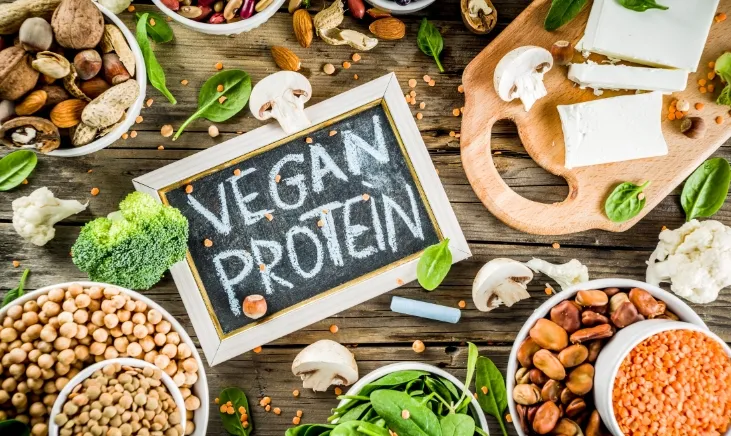
As a vegetarian, I often get asked how I get enough protein in my diet. Luckily, as a registered dietitian, I know what foods to include in my diet to ensure I get all the nutrients I need on a daily basis.
If you’re a vegetarian or vegan and not totally sure how to pack enough protein into your day, this article is for you.
In this article, I break down nine complete, and nearly complete, sources of protein so you can ensure you are getting the nutrients you need while sticking to your plant-based diet.
Short Summary
- Complete proteins are protein sources that contain all nine essential amino acids (EAAs).
- While there are a few complete plant-based proteins, most complete protein foods are animal-based proteins.
- There are plenty of near complete plant-based protein sources that, when paired together, yield a complete plant-based protein.
What Is a Complete Protein?
A complete protein is a food that contains all nine EAAs. If you’re not sure exactly what that means, we’ll go a little deeper for you.
Amino Acids
Amino acids are the building blocks of protein. Our bodies use them for many functions including:
- Growth, especially muscle growth
- Tissue repair and regeneration
- Food breakdown and energy production
There are 20 different amino acids. Eleven are classified nonessential. Our bodies can produce nonessential amino acids on their own, so we don’t need to consume them regularly. The other nine amino acids are considered essential amino acids, and need to be consumed regularly.

Nine Essential Amino Acids
These nine amino acids are not produced by our bodies, which means we need to consume them to make sure we have enough of them.
The EAAs include:
- Histidine
- Isoleucine
- Leucine
- Lysine
- Methionine
- Phenylalanine
- Threonine
- Tryptophan
- Valine
Prioritizing complete protein foods and combining incomplete proteins allows us to continually consume sufficient amounts of all amino acids.
Complete Proteins

To circle back to the idea of a complete protein source, we know that these proteins contain all nine EAAs.
Common complete protein sources include:
- Meat
- Poultry
- Fish
- Eggs
- Dairy products
You may notice these foods are all animal-based sources of protein. If you follow a plant-based diet, your options for complete plant-based protein sources are limited, but they certainly exist. We just need to be intentional about consuming them to ensure optimal health.
Combining Proteins
In the world of protein, like many things, incomplete parts make one complete whole.
Incomplete proteins are proteins that contain some essential amino acids, but not all. If we combine incomplete proteins that together contain all nine EAAs, we have just created a complete plant-based protein meal for ourselves.
In the remainder of this article, we dive into nine healthy vegetarian and vegan protein sources you can use to mix, match, and optimize your protein intake.
Eggs

Are Eggs a Complete Protein?
Is an egg a complete protein? Yes, eggs are a great source of protein for vegetarians. Each large egg contains about six grams of protein.
Do Eggs Have All Nine EAAs?
Yes, eggs contain all EAAs that are needed to be classified as a complete protein.
Essential Amino Acids in Eggs
- Histidine
- Isoleucine
- Leucine
- Lysine
- Methionine
- Phenylalanine
- Threonine
- Tryptophan
- Valine
Greek Yogurt

Is Greek Yogurt a Complete Protein?
Yes, Greek yogurt is another complete protein source for vegetarians. One serving of Greek yogurt contains 17 grams of protein.
Does Greek Yogurt Have All Nine EAAs?
All nine EAAs are found in Greek yogurt.
Essential Amino Acids in Greek Yogurt
- Histidine
- Isoleucine
- Leucine
- Lysine
- Methionine
- Phenylalanine
- Threonine
- Tryptophan
- Valine
Soy

Is Soy a Complete Protein?
Yes, soy also contains all nine EAAs, making it one of the few plant foods that is complete on its own.
Soy can be eaten in various forms, all of which are great sources of protein for vegetarians and vegans. One cup of edamame is packed with 18 grams of plant protein. Additionally, one serving of tempeh contains 20 grams of protein.
Does Soy Have All Nine EAAs?
Yes, soy naturally contains all nine EAAs.
Essential Amino Acids in Soybeans
- Histidine
- Isoleucine
- Leucine
- Lysine
- Methionine
- Phenylalanine
- Threonine
- Tryptophan
- Valine
Tofu
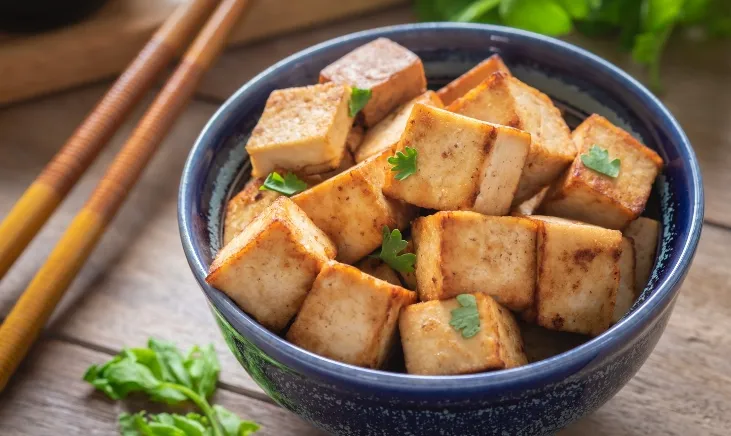
Is Tofu a Complete Protein?
Yes, tofu, which is made from soy, is also a complete protein and a great option for vegetarians and vegans. One-half cup of tofu contains 22 grams of protein.
Does Tofu Have All Nine EAAs?
Yes, tofu, like other soy-products, contains all nine EAAs.
Essential Amino Acids in Tofu
- Histidine
- Isoleucine
- Leucine
- Lysine
- Methionine
- Phenylalanine
- Threonine
- Tryptophan
- Valine
Quinoa

Is Quinoa a Complete Protein?
Yes, quinoa is another rare plant-based food that is a complete protein. It is one of the only whole grains that is a complete plant-based protein. One cup of cooked quinoa contains 8 grams of plant-based protein.
Does Quinoa Have All Nine EAAs?
Yes, all nine EAAs are found in quinoa.
Essential Amino Acids in Quinoa
- Histidine
- Isoleucine
- Leucine
- Lysine
- Methionine
- Phenylalanine
- Threonine
- Tryptophan
- Valine
Chickpeas (Garbanzo Beans)

Are Chickpeas a Complete Protein?
No, chickpeas, also called garbanzo beans, contain 7 grams of protein per cup but are not considered a complete protein.
Do Chickpeas Have All Nine EAAs?
No, chickpeas are missing methionine. This makes methionine the limiting amino acid in chickpeas.
Essential Amino Acids in Chickpeas
- Histidine
- Isoleucine
- Leucine
- Lysine
- Phenylalanine
- Threonine
- Tryptophan
- Valine
Hummus

Is Hummus a Complete Protein?
Hummus is made from cooked chickpeas, sesame seeds or sesame paste, and olive oil. Other ingredients like lemon juice may be added for additional flavor.
While hummus is high in protein, it is another incomplete protein source. Hummus contains about 2.5 grams of protein for every two tablespoons.
Does Hummus Have All Nine EAAs?
No, methionine is the limiting amino acid in hummus, as well as its main ingredient, cooked chickpeas.
Essential Amino Acids in Hummus
- Histidine
- Isoleucine
- Leucine
- Lysine
- Phenylalanine
- Threonine
- Tryptophan
- Valine
Avocado

Is Avocado a Complete Protein?
Avocado is another incomplete protein source. Each avocado contains about 4 grams of protein, so they do still contribute a healthy amount of protein to a plant-based diet.
Does Avocado Have All Nine EAAs?
Methionine and lysine are the limiting amino acids in avocados.
Essential Amino Acids in Avocado
- Histidine
- Isoleucine
- Leucine
- Phenylalanine
- Threonine
- Tryptophan
- Valine
Oats

Are Oats a Complete Protein?
No, while oats contain almost 11 grams of protein per cup, they are an incomplete protein source. Most whole grains contain a few, but not all the amino acids.
Do Oats Have All Nine EAAs?
No, methionine is the limiting amino acid in oats, as well.
Essential Amino Acids in Oats
- Histidine
- Isoleucine
- Leucine
- Lysine
- Phenylalanine
- Threonine
- Tryptophan
- Valine
Summary
Complete proteins contain all nine EAAs and help ensure our bodies get all the protein building blocks they need to maintain optimal health.
Plant-based diets have many upsides. For example, they are generally low in saturated fat, which can improve your blood pressure and reduce your risk for heart disease.
If you eat a well-balanced, plant-based diet you are likely to get adequate amounts of vitamins, minerals, fiber, and other nutrients. However, to maximize your nutrient intake and ensure you are getting everything you need, protein is key.
Whether you consume plant-based foods that are complete on their own or combine two or more incomplete proteins to form a complete protein, you can be reassured that you are getting the protein you need.

Frequently Asked Questions
How do vegans and vegetarians get complete protein?
Additionally, both vegans and vegetarians can pair food with different limiting amino acids together to ensure they are getting all nine EAAs in their daily diet.
What are the vegetarian and vegan sources of protein?
Soy
Quinoa
Beans
Whole Grains
Legumes
Nuts
Seeds (chia seeds, hemp seeds, sesame seeds)
Additionally, vegan amino acids and protein powders, including pea protein, can be used to supplement your protein intake
Which foods have all 9 EAAs?
Meat
Poultry
Fish
Eggs
Dairy products
Soy
Quinoa