

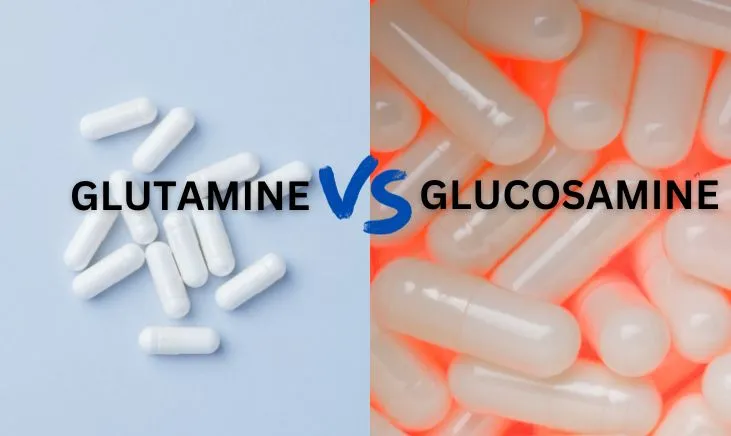
The differences between glutamine vs glucosamine are profound, making the two supplements uniquely beneficial for one’s health. Each promotes separate health benefits and can promote faster recovery, reduce joint pain, and promote powerful athletic performances.
Glutamine and glucosamine are two distinct organic compounds that, despite their similar names, serve different purposes in promoting overall health. Glucosamine is necessary for glutamine inhibition and effective collagen synthesis, while glutamine is a conditionally essential amino acid that supports the immune and digestive systems. On the other hand, glucosamine is an amino sugar commonly used to treat inflammation and joint pain symptoms, particularly in conditions such as osteoarthritis, demonstrating its effectiveness in such treatments.
While they have different functions, both supplements offer significant benefits for one’s health and can be used to improve exercise recovery and performance.
Glutamine – What You Need To Know
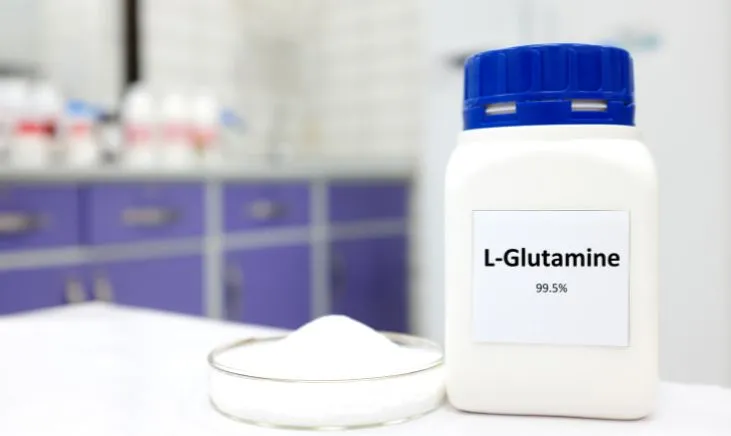
Linked to numerous processes in the human body, glutamine is a nonessential amino acid that carries the weight of many important functions. Understanding these functions and what exactly glutamine does for humans is important to better comprehend how necessary this amino acid is in our everyday lives. Read further to learn more about glutamine and its many benefits!
What Is It?
Glutamine is a nonessential amino acid that supports the human body and its many biological systems and organs, such as the small intestine. It becomes a conditionally essential amino acid during stress, injury, illness, or pregnancy.
The anti-inflammatory properties of glutamine are highly beneficial for boosting the immune system’s wound-healing processes. The amino acid, specifically L-glutamine, is often used as a supplement to help critically ill patients and aid immune cells by promoting collagen synthesis.
Side Effects & Risks
Like any supplement or medication, glutamine supplementation has potential side effects and risks. It is essential to be aware of these possible risks and to know what to look out for.
Consulting with a medical professional is highly recommended to avoid any issues with any current health conditions or to prevent any adverse drug interactions.
- Fast heartbeat
- Bloating
- Heartburn may be managed by inhibiting certain enzymes that contribute to gastric acid secretion.
- Blood in urine
- Nausea can sometimes be managed through enzyme inhibitors that reduce gastrointestinal upset.
Glutamine Uses
A powerful dietary supplement, glutamine’s anti-inflammatory properties support the immune system and protect the gut lining. These qualities of the amino acid are beneficial for various uses, including for individuals suffering from irritable bowel syndrome (IBS). Its valuable functions have been researched and shown to decrease clinical infection and hospital stay length for patients undergoing bone marrow transplant or cancer treatment.
- Crohn’s disease
- Irritable bowel syndrome
- Inflammatory bowel disease has been linked to decreased collagen synthesis in the gut.
- Sickle cell disease treatment may involve L-glutamine supplements to reduce complications through its enzyme inhibition capabilities.
- Cancer
- Short bowel syndrome
- Bone marrow transplant
- Leaky gut syndrome
Glutamine Benefits
Glutamine provides many outstanding benefits for the human body, supporting everyday processes and promoting quality of life. It is a free amino acid that plays a crucial role in muscle recovery and immune function after intense exercise.
As a conditionally essential amino acid, glutamine is vital and responsible for reducing inflammation and speeding up wound healing. It has many functions, including acting as a fuel for the intestine and immune cells.
- Prevents wasting of skeletal muscle mass
- Speeds up exercise recovery
- Supports the gastrointestinal tract
- Promotes a healthy gut microbiome
- Reduces inflammation and muscle soreness, possibly due to inhibiting certain enzymes involved in the inflammatory process.
Glucosamine – What You Need To Know
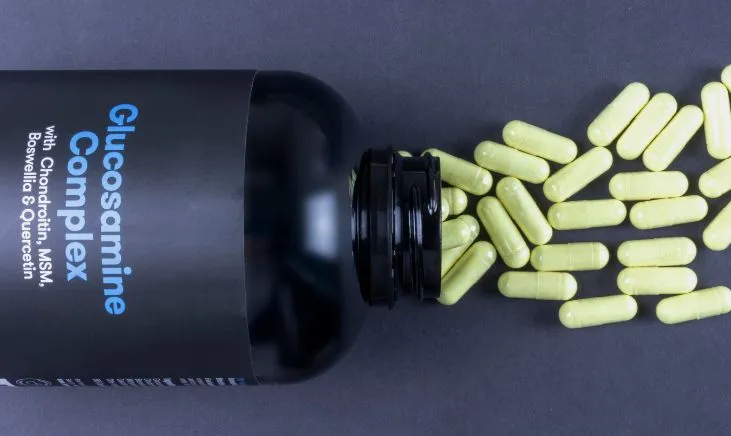
A chemical found in the body, glucosamine is a supplement sold in various forms, including glucosamine hydrochloride and glucosamine sulfate. But what exactly does glucosamine do, and how can it benefit you? Keep reading to find out how!
What Is It?
Glucosamine is a naturally occurring sugar in connective tissues and synovial fluid that cushions the joints in human and animal bones. There are two forms of glucosamine: sulfate and hydrochloride. Glucosamine hydrochloride differs from glucosamine sulfate because it is more concentrated and contains less sodium per dose.
As an amino sugar, glucosamine is the biochemical precursor of nitrogen-containing sugars. It acts as a joint supplement to treat conditions caused by inflammation that target the cartilage and joints, like osteoarthritis.
Glucosamine Side Effects & Risks
There are possible side effects and risks associated with glucosamine supplementation.
Many of these potential risks and side effects are not dangerous, but it is important to consult your doctor before beginning supplementation. Individuals with diabetes should not take glucosamine as it can have a hypoglycemic effect, though there is a low risk in those with type 2 diabetes.
Glucosamine use can result in the following side effects:
- Nausea
- Heartburn
- Diarrhea
- Epigastric pain
- Constipation
- Bloating
Glucosamine Uses
Glucosamine is a widely used joint supplement that treats inflammation, cartilage, and joint pain. Glucosamine and chondroitin, often sourced from shark cartilage, are frequently combined in supplements for believed benefits such as preventing cartilage breakdown. However, no studies have been conducted on whether these provide more benefits when sourced together.
Glucosamine is used to treat:
- Osteoarthritis
- Rheumatoid arthritis
- Multiple sclerosis
- Joint pain
Glucosamine Benefits
Many in vitro and in vivo studies demonstrated evidence of exactly how glucosamine helps joint tissues in osteoarthritis patients.
Glucosamine reduces joint pain and promotes joint health through its crucial role in collagen synthesis. Many athletes, especially runners, like to take glucosamine supplements because of glucosamine’s cartilage breakdown prevention and impact on reducing joint inflammation and pain.
Glucosamine benefits include:
- Balances articular cartilage catabolism and anabolism
- Supports joint function
- Reduces inflammation
Glucosamine vs Glutamine: The Differences
Glucosamine and glutamine are very different organic compounds. They have few similarities besides their anti-inflammatory properties and incredible health benefits.
Let’s break down the differences between glutamine vs glucosamine for a better understanding of these two supplements!
Understanding The Differences: Glutamine vs Glucosamine
| Glutamine | Glucosamine |
|---|---|
| Amino acid | Amino sugar |
| Used for muscle recovery and sports performance, often through the mechanism of L-glutamine aiding in the synthesis of proteins and inhibiting harmful enzymes. |
Used to reduce joint pain |
| Reduces symptoms of IBS and Crohn’s disease | Reduces symptoms of osteoarthritis and rheumatoid arthritis |
| Sourced from corn | Sourced from shellfish, sharks, or made in a lab for supplements |
Glutamine vs Glucosamine Supplementation – Which Is Best?
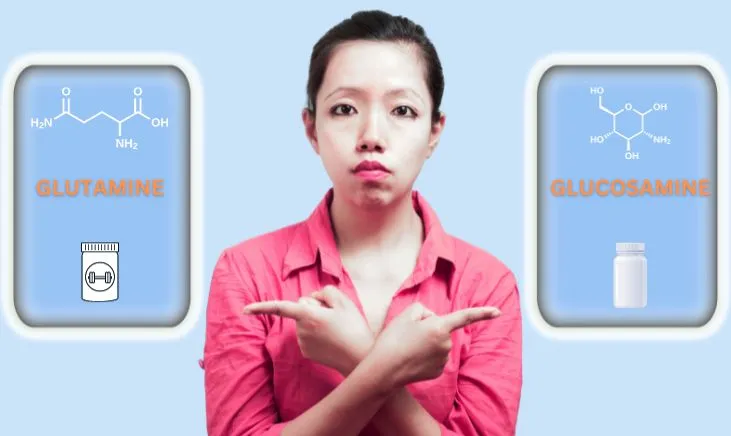
Both glutamine and glucosamine are good supplements that provide significant health benefits. The defining element is that they each promote different benefits.
Taking glucosamine supplements can help anyone who takes part in high-impact sports or exercise, suffers from joint pain, or wishes to support their joints. On the other hand, glutamine supplements are an excellent choice for fitness enthusiasts looking to speed up recovery, reduce muscle soreness, and promote other great benefits in the immune and digestive systems.
Frequently Asked Questions
Is it safe to take glutamine every day?
It is fine to take glutamine every day, but there are warnings about long-term usage of the amino acid supplement. According to some studies, using glutamine chronically can negatively affect biochemical pathways and cellular functions.
Consult your doctor before consuming glutamine supplementation to verify that no conflicting medical concerns could arise.
Is glucosamine an anti-inflammatory?
What is glucosamine chondroitin sulfate?
Glucosamine sulfate and chondroitin are two separate supplements often found together.
Chondroitin is often sourced from shark cartilage. Both chondroitin and glucosamine sulfate provide health benefits for symptoms of osteoarthritis, including joint inflammation and pain.