

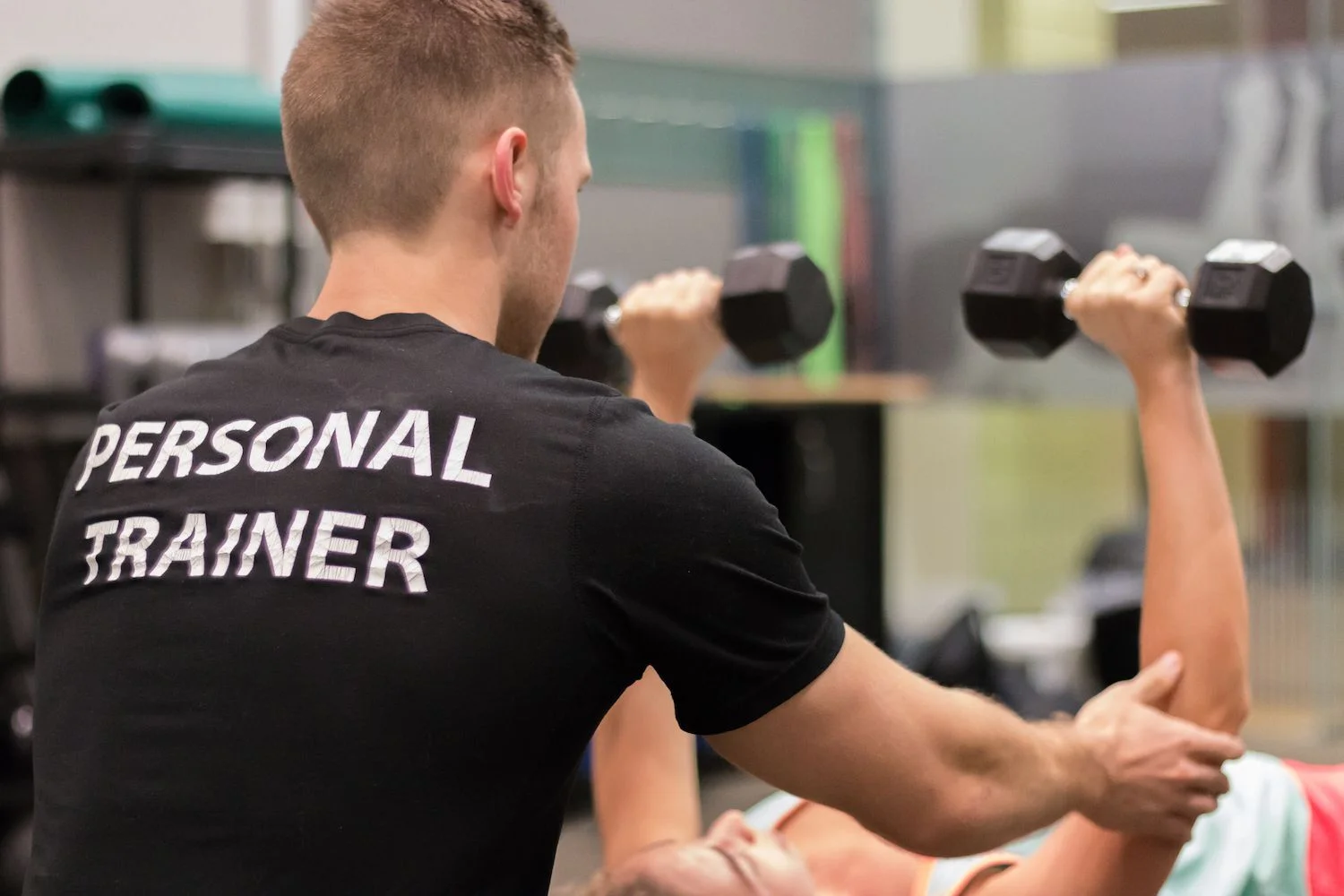
Choosing between hiring a personal trainer or working out on your own comes down to understanding what each approach actually provides. DIY fitness offers flexibility and lower costs, while personal training delivers structured programming, expert coaching, and accountability that most people can’t replicate on their own.
The real difference isn’t just about having someone count reps. It’s about systematic progression, form correction, personalized programming, and external accountability that keep you consistent when motivation fades.
Key Insights:
- Personal trainers provide expert programming, real-time form correction, and accountability systems that DIY workouts cannot match.
- DIY fitness works best for experienced exercisers with established habits, clear goals, and strong self-direction.
- The investment in personal training pays off through research-backed workout programming and experienced guidance that lead to faster progress, injury prevention, and sustainable habit formation.
What DIY Fitness Actually Means
DIY fitness encompasses everything from following workout apps and YouTube videos to creating your own programs based on research and experience. You select exercises, determine sets and reps, track progress, and make adjustments without professional guidance.
This approach requires learning proper form through videos or articles, understanding training principles like progressive overload, recognizing when to push harder or back off, and troubleshooting problems independently. The learning curve is steep, and most people underestimate this complexity.
The Real Value Personal Trainers Provide
Personal trainers bring expertise that takes years to develop. They’ve studied anatomy, biomechanics, exercise physiology, and program design. They’ve worked with dozens or hundreds of clients, observing what works across different body types, ages, and fitness levels.
This experience allows trainers to spot form issues you can’t see yourself, like:
- Identify movement compensations before they cause injury.
- Adjust programs based on how your body responds.
- Solve problems you don’t yet know you have.
When building custom workout programs, trainers draw on this accumulated knowledge to design efficient training tailored to your specific needs.
Programming Quality and Adaptation
A quality program balances exercise selection, volume, intensity, frequency, and recovery. It progresses systematically, building strength while managing fatigue. Creating this requires understanding how these elements interact.
DIY programming often lacks this sophistication. People do the same workout repeatedly or change things randomly without strategic progression. They might train too hard too often or not hard enough consistently. Trainers adjust programming based on real-time feedback, integrating progressive overload to promote continuous results. If you’re unusually fatigued, they modify that day’s session. If you’re recovering faster than expected, they increase the challenge appropriately. This responsive adaptation optimizes progress.
Form Correction and Injury Prevention
Watching yourself in a mirror doesn’t reveal what a trained eye catches. You can’t see your knee tracking during a squat, lumbar position during a deadlift, or shoulder blade movement during a row.
Trainers provide real-time correction. They spot compensation patterns, cue proper positioning, and adjust technique before bad habits form. This prevents chronic issues that develop from repeatedly performing exercises with poor form.
During your first personal training session, this correction process begins immediately. Your trainer assesses movement quality and starts teaching proper patterns.
Progression Safety
Trainers know when you’re ready to add weight or advance to more complex movements. They recognize the difference between productive discomfort and pain signaling injury risk.
Accountability and Consistency
The biggest difference between personal training and DIY fitness is often consistency. Scheduled sessions with a trainer happen regardless of motivation. You show up because you committed the time and money to an accountability partner and personal trainer in one, who expects you to show up and put in the effort for the session they’ve planned and customized for you.
DIY training depends entirely on self-motivation. When you’re tired, stressed, or busy, workouts get postponed. One missed session becomes two, then a week. Life interferes, and fitness falls off the priority list. Trainers provide external structure that maintains consistency through motivation fluctuations. This is why personal training works when DIY efforts fail. The accountability system produces results that sporadic training cannot match.
Knowledge Transfer and Education
Quality trainers teach while they train. They explain why you’re doing specific exercises, how to feel target muscles working, what proper form feels like, and how to recognize when something isn’t right.
Over time, training sessions become educational experiences that improve your understanding of exercise, nutrition, recovery, and body awareness. You learn principles you can apply independently, even if you eventually transition to DIY training.
When DIY Fitness Makes Sense
DIY fitness can work if several factors align. You need existing exercise experience and established habits. You must enjoy the research and planning process. You should have realistic goals that don’t require advanced programming.
People who succeed with DIY training typically have several years of consistent training experience, good body awareness and form fundamentals, strong intrinsic motivation, and time to learn training principles. If you’re maintaining current fitness levels and have good foundational knowledge, DIY training can sustain your progress cost-effectively.
When Personal Training Is Worth the Investment
Personal training makes sense when you’re starting from scratch, returning after a long break, pursuing specific athletic goals, recovering from injury, or struggling with consistency.
The investment pays off through:
- Faster progress.
- Injury prevention.
- Accountability that maintains consistency.
- Education that builds long-term fitness literacy.
- Confidence from expert guidance.
Working with a personal trainer means accessing local expertise familiar with seasonal training challenges and available facilities. This localized knowledge enhances the training experience beyond generic online programs. For people with demanding careers or families, personal training is often more efficient than DIY approaches. You get better results in less time because every session is optimized.
Final Thoughts
The difference between personal training and DIY fitness extends beyond having someone present during workouts. Personal training provides structured progression, expert correction, responsive adaptation, and accountability systems that produce faster, safer results.
DIY fitness works for experienced, self-motivated individuals with good foundational knowledge. It offers flexibility and lower costs but requires significant time investment in learning and planning.
Get Expert Guidance for Your Fitness Goals
Stop guessing your way through workouts and start training with purpose. EverFlex Fitness provides expert personal training in Calgary that accelerates your progress through customized programming, hands-on coaching, and comprehensive accountability.
Our trainers combine technical expertise with practical experience to design programs that fit your body, schedule, and goals. We teach proper form, optimize progression, and provide the structure needed to build sustainable habits.
Schedule your consultation today and experience the difference that expert guidance makes in your training results.
Frequently Asked Questions
Can I start with DIY fitness and switch to a trainer later?
Yes, though starting with a trainer builds proper foundations from the beginning. Learning correct form and training principles early prevents the development of bad habits that require correction later.
How long should I work with a personal trainer?
This depends on your goals and learning pace. Some people train with coaches indefinitely, while others work with trainers for several months to lay a foundation before transitioning to more independent training.
Are online workout programs as effective as personal training?
Generic online programs lack the personalization and real-time feedback that make personal training effective. They can’t adapt to your specific limitations, correct your form, or adjust based on how you respond.